
How to Choose High-Quality Surgical Instruments for Optimal Performance
In every surgical procedure, the quality of surgical instruments directly impacts patient safety, surgical efficiency, and overall outcomes. Selecting reliable, precise, and durable tools is essential for hospitals, clinics, and surgical centers.
Why Instrument Quality Matters
High-quality surgical instruments allow surgeons to:
- Perform procedures with precision and control
- Minimize tissue damage and reduce complications
- Ensure patient safety by maintaining sterility and reliability
In contrast, low-quality instruments may fail during critical procedures, increasing the risk of errors and compromising patient care.
Key Factors to Consider When Choosing Surgical Instruments
When selecting instruments, healthcare providers should evaluate:
1. Material and Durability
Surgical instruments should be made of high-grade stainless steel or titanium, which resists corrosion, maintains sharpness, and ensures long-lasting performance.
2. Functionality and Design
Instruments must be designed for their specific surgical application. For instance:
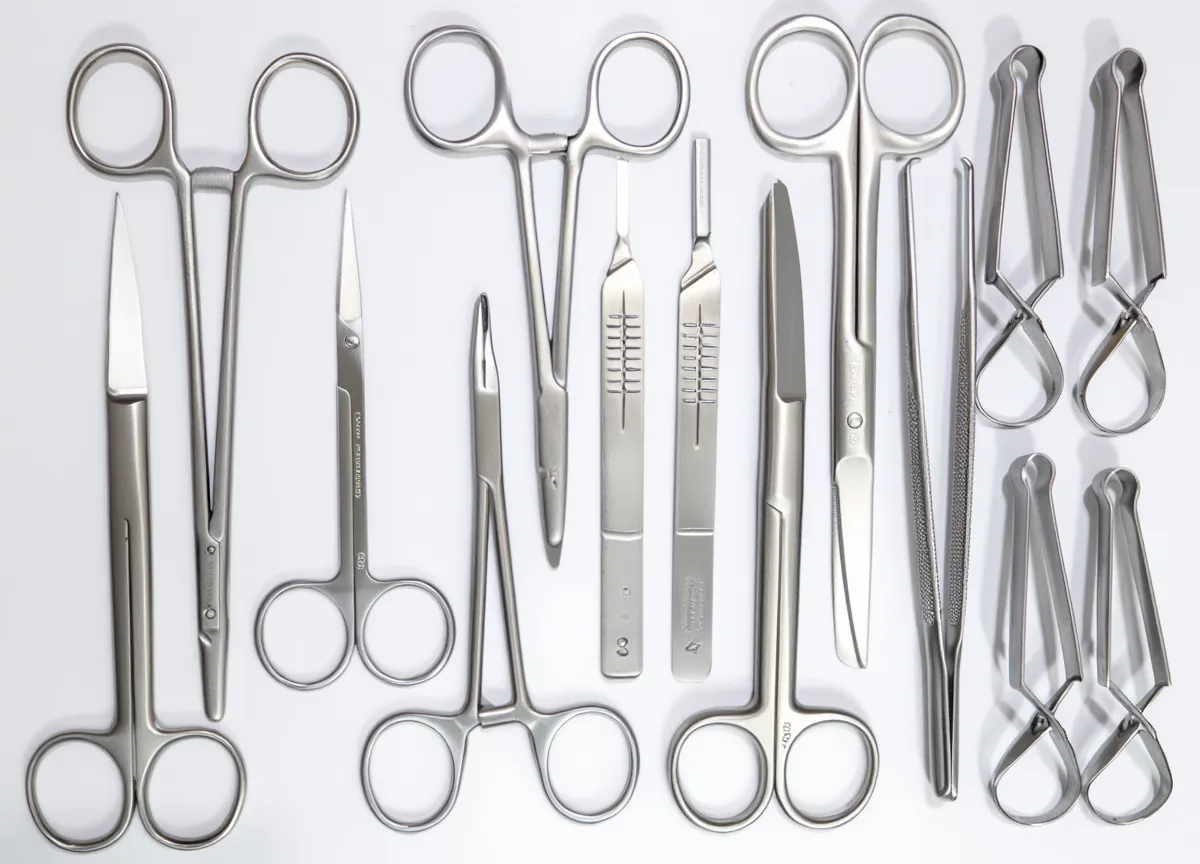
- Ratcheted forceps provide secure tissue grip.
- Scalpels allow precise incisions.
- Retractors give a clear view of the operative field.
3. Sterilization Compatibility
Quality instruments must withstand repeated sterilization without losing functionality. Autoclaving, chemical sterilization, or dry heat should not damage the tools.
4. Ergonomics and Comfort
Comfortable, well-balanced instruments reduce hand fatigue during long procedures, improving surgeon efficiency.
Popular Surgical Instruments
Some essential surgical instruments include:
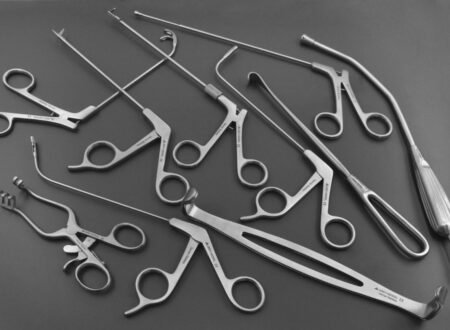
- Forceps (ratcheted and non-ratcheted) for grasping and holding tissue
- Scissors for cutting tissue or sutures
- Scalpels for precise incisions
- Retractors to expose surgical areas
- Clamps to control bleeding and hold tissue
- Laparoscopic instruments for minimally invasive surgery
Tips for Maintaining Surgical Instruments
To ensure instruments remain reliable:
- Clean them immediately after use to prevent corrosion
- Inspect for damage or wear regularly
- Store in dry, sterilized conditions
- Follow manufacturer guidelines for sterilization and maintenance
Conclusion
Choosing high-quality surgical instruments is crucial for surgical success. They enhance precision, control, and patient safety while improving workflow for surgeons and staff. By investing in durable, well-designed, and sterilization-ready tools, healthcare facilities can achieve better outcomes and higher patient satisfaction.